





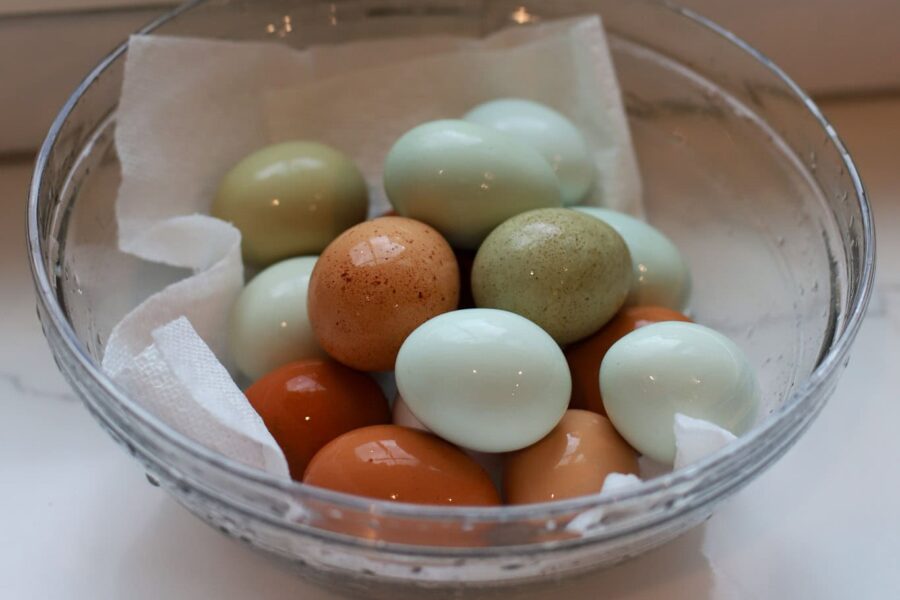
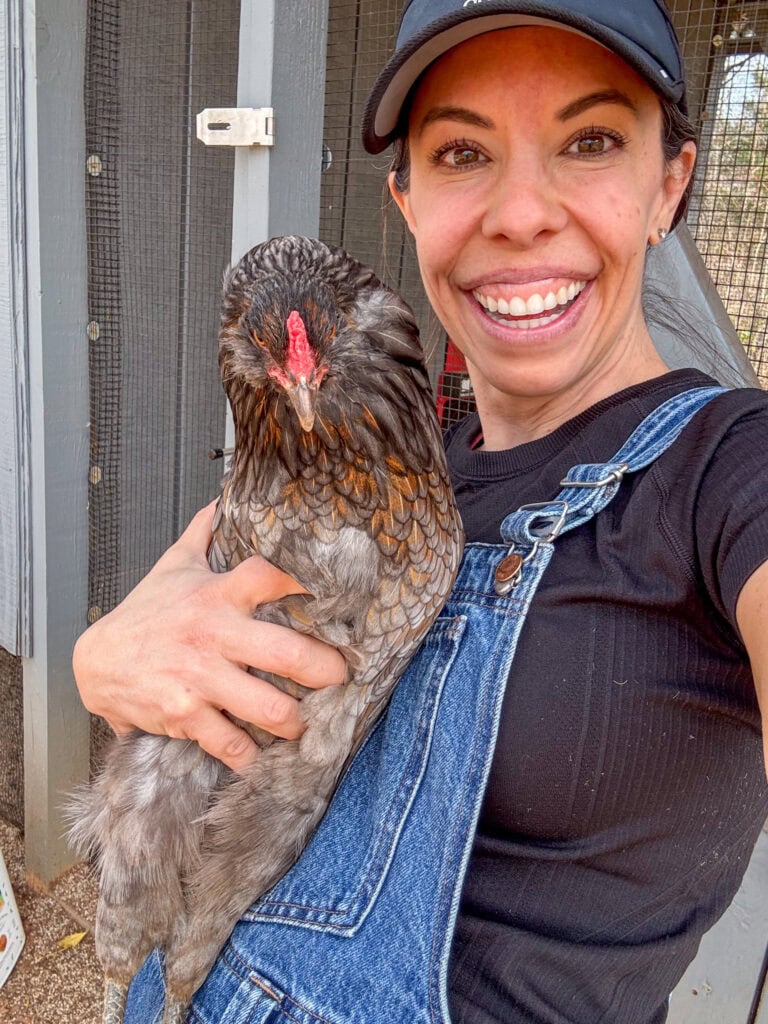
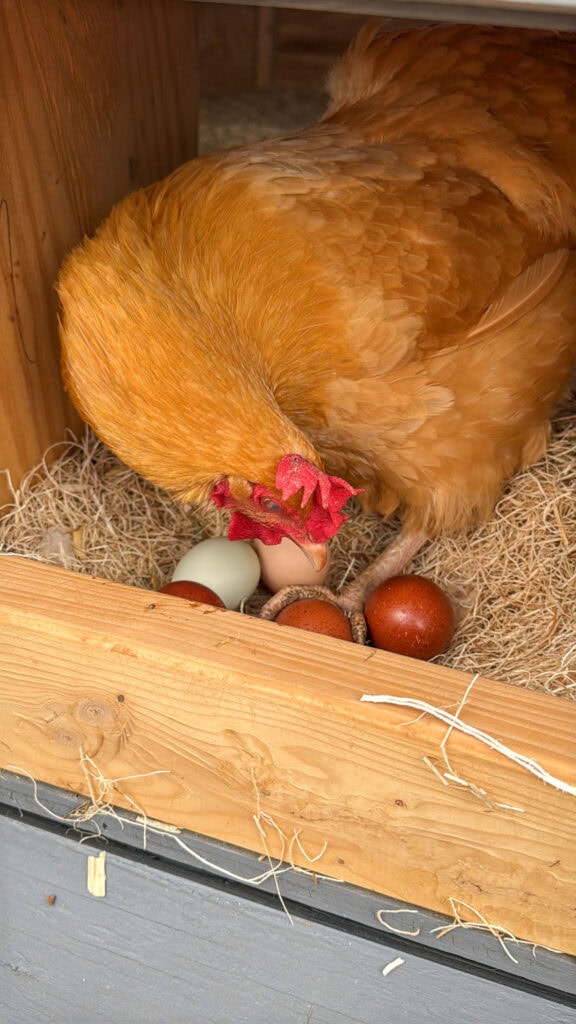
Learning how to store farm fresh eggs properly has become much more relevant around here because, happy update, we have chickens now! Our hens have been laying for more than six months, and I do not foresee the excitement of collecting fresh eggs ever wearing off. It still feels a little magical to head outside, gather a few warm eggs from the nesting boxes and bring them into the kitchen.
Now that I am putting these tips into practice every day, I wanted to refresh this post with what I have learned along the way. Farm fresh eggs are one of my favorite foods to keep on hand. They are versatile, protein rich and just plain satisfying, especially when they come from your own backyard flock.
Eggs are one of the best protein sources you can find because they work in so many meals and snacks. We scramble them for breakfast, add hard boiled eggs to lunches, bake with them and turn them into an easy dinner when the fridge is looking sparse.
Store bought eggs are improving when it comes to offering high quality options, but there is still something special about a freshly laid egg. Ours often have rich yolks and a wonderful flavor, though yolk color and nutrient content can vary depending on the hen’s breed, diet, environment and access to forage.
Farm fresh eggs also arrive in the kitchen differently from most store bought eggs. Commercial eggs in the United States are washed before being sold, while eggs gathered from a backyard flock still have their natural protective coating. That difference affects how you clean and store them.
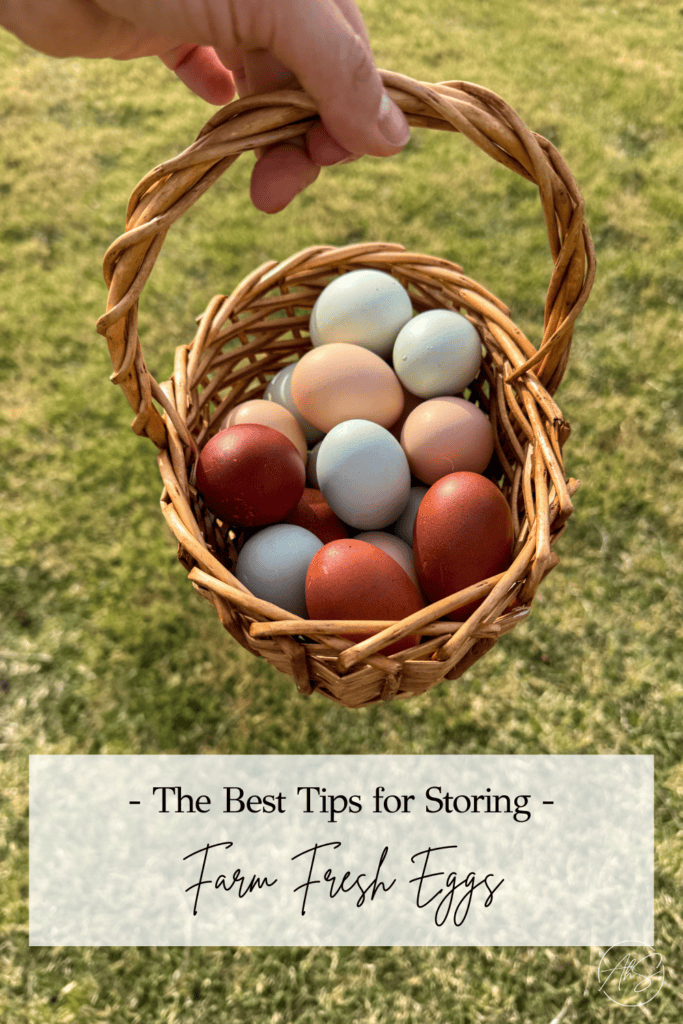
How to Store Farm Fresh Eggs
The simplest answer is to collect eggs frequently, keep them as clean as possible, discard cracked eggs and store the good eggs in a clean carton in the refrigerator. Refrigeration provides the most consistent temperature and helps preserve both safety and freshness.
Some people keep clean, unwashed eggs on the counter because the shell still has its natural protective coating. However, refrigerated eggs maintain their quality and freshness longer, and refrigeration is the most conservative choice for food safety. Once an egg has been refrigerated, it should remain refrigerated.
Understand the Natural Egg Bloom
Freshly laid eggs have a thin protective coating on the shell called the bloom or cuticle. This coating helps limit the movement of bacteria through the porous shell.
Because washing can remove the bloom, I avoid washing eggs that are already clean. Instead, I check each egg as I collect it and follow a few simple habits:
- Discard any egg with a cracked shell because bacteria can enter through the crack.
- Gently remove a small dry spot of dirt with a clean, dry cloth or soft brush.
- Avoid soaking eggs or leaving them sitting in water.
- Place clean eggs in a carton and refrigerate them as soon as practical.
- Keep refrigerated eggs refrigerated to prevent condensation from forming on the shells.
How to Clean Farm Fresh Eggs
The best approach is to keep eggs clean before they ever reach the kitchen. I collect ours regularly and try to keep the nesting boxes filled with clean, dry bedding. The cleaner the nesting boxes are, the less cleaning the eggs need.
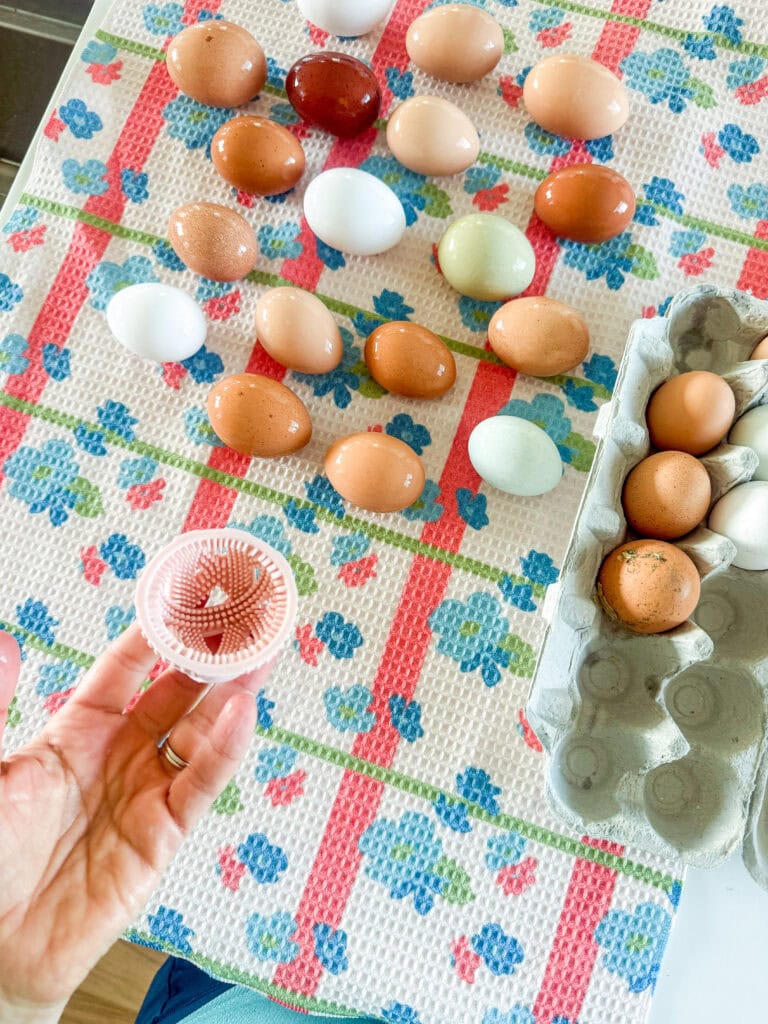
For a small dry spot, I gently brush the shell rather than washing it. A soft cloth works, or you can use a brush reserved specifically for eggs. I like my GoodEgg Silicone Brush for gently loosening anything stuck to the shell.
Food safety recommendations regarding home washing can vary, but washing eggs before storage is generally discouraged because it can remove the protective bloom and spread bacteria around the kitchen. The University of Minnesota Extension recommends avoiding washing eggs and storing them in the refrigerator for safety and quality.
If an egg is heavily soiled or cannot be cleaned gently, I would rather discard it than risk contaminating the other eggs or surfaces in my kitchen. I also wash my hands after handling eggs and clean anything that comes in contact with a cracked or dirty shell.
How to Store Farm Fresh Eggs in the Refrigerator
When deciding how to store farm fresh eggs for the longest shelf life, the refrigerator is the easiest and most dependable option. Keep the refrigerator at 40°F or below and store the eggs in the main part of the refrigerator rather than in the door.
These practical storage tips have worked well for us:
- Use a clean egg carton or covered egg storage container to protect the shells.
- Write the collection date on the carton so you know which eggs to use first.
- Keep eggs on an interior refrigerator shelf where the temperature remains more consistent.
- Avoid storing eggs in the refrigerator door because the temperature changes each time it is opened.
- Store eggs with the pointed end facing down and the wider end facing up to keep them secure in the carton.
- Do not return refrigerated eggs to long term countertop storage.
How Long Do Farm Fresh Eggs Last?
For the best quality, plan to use refrigerated eggs within three to five weeks of collection. That does not mean an egg automatically spoils at the end of that window, but its quality may gradually decline as it ages.
Older eggs can actually be useful. They often peel more easily after hard boiling, while the freshest eggs are wonderful for frying, poaching and any meal where you want the yolk to stand tall.
If you are ever unsure about an egg, crack it into a separate small bowl before adding it to your recipe. Discard it if it has an unpleasant odor or an unusual appearance. The popular float test can offer clues about an egg’s age, but it cannot confirm whether the egg is free of harmful bacteria.
How to Track and Rotate Farm Fresh Eggs
Once your hens start producing regularly, the eggs can accumulate more quickly than you expect. Having a simple system makes it easier to use the oldest eggs first and prevents a mystery carton from getting lost in the back of the refrigerator.
Here are a few easy ways to keep track of them:
- Label each carton with the collection date or date range using a permanent marker.
- Write the collection date directly on each shell with a pencil.
- Place newly collected eggs behind the older cartons in the refrigerator.
- Use one designated carton for the oldest eggs so everyone knows which ones to reach for first.
- If you keep unwashed eggs on the counter temporarily, use an egg skelter that helps rotate the oldest eggs to the front.
I usually date our cartons or write the collection date lightly on the shell in pencil. This system is simple, does not require any special equipment and makes it easy to see which eggs need to be used next.
Farm Fresh Egg Storage Tips I Have Learned
Now that we are collecting eggs regularly, a few small habits have made a noticeable difference in how clean and organized everything stays.
First, I try to gather eggs at least once a day instead of leaving them in the nesting boxes. During especially hot or cold weather, or when the hens are laying heavily, checking more often can be helpful. Regular collection also makes it less likely that an egg will be stepped on, cracked or covered in dirt.
Second, I keep the nesting material clean and replace it whenever it becomes damp or dirty. Preventing mess is much easier than trying to clean a delicate eggshell later.
Third, I use a storage system that is practical for our family. Pretty countertop storage can be fun for eggs we plan to use quickly, but a two tier egg storage tray in the refrigerator is still my favorite option when we have a larger supply.
Common Questions About Storing Farm Fresh Eggs
Do farm fresh eggs need to be refrigerated?
Clean, unwashed eggs still have their natural bloom, which is why some backyard chicken keepers store them at room temperature. However, refrigeration is the safest and most reliable way to maintain quality and extend storage time. Once eggs have been chilled, keep them refrigerated.
Should you wash farm fresh eggs before storing them?
It is best to avoid washing clean eggs because washing removes the natural protective coating. Gently brush away a small dry spot if necessary, keep nesting boxes clean and discard cracked or heavily soiled eggs.
Where should eggs be stored in the refrigerator?
Store eggs in a clean carton on an interior refrigerator shelf. Avoid the refrigerator door because it experiences more temperature fluctuations.
Can you tell whether an egg is safe using the float test?
No. The float test can suggest how old an egg is because the air cell inside grows over time, but it does not determine whether harmful bacteria are present. When in doubt, crack the egg into a separate bowl and check its smell and appearance before using it.
Figuring out how to store farm fresh eggs does not need to be complicated. Collect them frequently, keep the nesting boxes clean, avoid unnecessary washing, refrigerate eggs in a dated carton and use the oldest ones first. Those simple habits help us enjoy our backyard eggs while they are still at their best.
Getting fresh eggs daily still feels exciting around here. Do you keep backyard chickens or buy eggs from a local farm? I would love to hear how you organize and store yours!


Lu says
I also take the unwashed eggs and put them in lime water (water glassing) . Been doing that for years. I have used them for a year or more. That’s how the old farmers had eggs all year.
Brittany Dixon says
I need to try this! Thanks 🙂
Carrie Taylor-Thompson says
What is lime water? I read that you stored eggs in lime water, and do you wash and keep them in the fridge? Hope this reaches you. Thank you!
Carrie Taylor-Thompson says
After I read your post again, I saw the fact that you don’t wash the eggs, but can you please tell me how to make lime water and storing the eggs.
Brittany Dixon says
Making lime water (also known as slaked lime solution) to store eggs for the long term is an old method of preserving eggs. It creates an alkaline environment that prevents bacteria from spoiling the eggs and helps maintain their freshness.
Here’s a simple guide to making lime water for egg preservation:
Ingredients & Supplies:
Pickling lime (calcium hydroxide) – You can find this in stores that sell canning or preserving supplies.
Water – Use clean, non-chlorinated water. If you’re using tap water, let it sit for a few hours to allow chlorine to dissipate.
A clean container – A food-grade container like a plastic or glass jar (at least 1-gallon size).
Fresh eggs – Eggs should be as fresh as possible for the best results.
Steps:
Mix the Lime Water:
For every 1 gallon of water, use about 1 ounce of pickling lime.
Stir the lime into the water until it dissolves completely. The solution should be slightly cloudy.
Prepare the Eggs:
Use clean, uncracked eggs. Don’t wash the eggs, as the natural coating on the eggshells helps preserve them.
You can use both white and brown eggs, but the preservation method works equally well for either.
Store the Eggs in the Solution:
Place the eggs gently into the container.
Pour the lime water over the eggs, making sure they’re completely submerged. You may need to use something to weigh the eggs down, like a clean rock or a lid, to keep them from floating to the top.
Seal and Store:
Seal the container with a tight-fitting lid to keep air out. Store it in a cool, dark place, like a basement or pantry.
Checking for Freshness:
When you’re ready to use the eggs, remove one and do a freshness test. Fresh eggs will sink to the bottom and lay flat. Eggs that have been stored for a long time may float or stand upright, which is a sign they’re no longer fresh.
Storage Time:
Eggs can be stored in lime water for up to 6 months or sometimes longer, as long as the solution remains clear and the eggs stay submerged.
Tips:
If the lime water becomes cloudy, you can replace it with fresh solution.
The eggs will absorb some of the lime, but this won’t affect the taste, as it’s a very small amount.
After removing an egg from the solution, you should use it quickly since it will not keep as long outside of the lime water.
This method works because the lime water fills the pores in the eggshells, creating a barrier that prevents air and bacteria from entering, thereby preserving the eggs for much longer than normal.
Linda says
An important note to remember: Eggs should be stored with the narrow end down. The air pocket in the wide end doesn’t float in the egg like a bubble. Standing an egg on the wide end causes the yolk to sink and rest on the air pocket, creating the optimum condition for early spoilage. Standing it on the narrow end keeps the yolk in the center of the egg, surrounded and protected by the albumen.
Brittany Dixon says
Helpful tip; thank you for adding that!